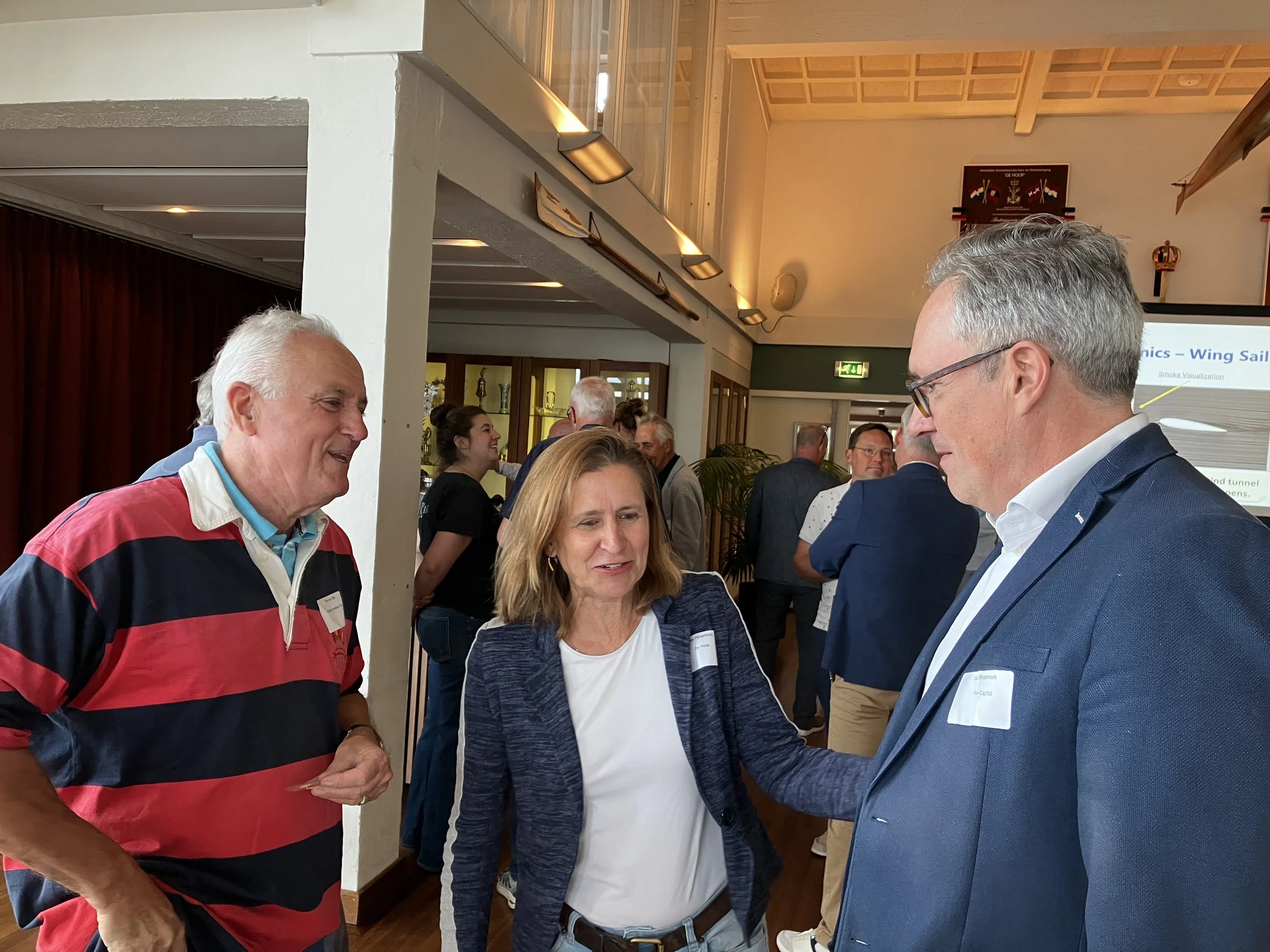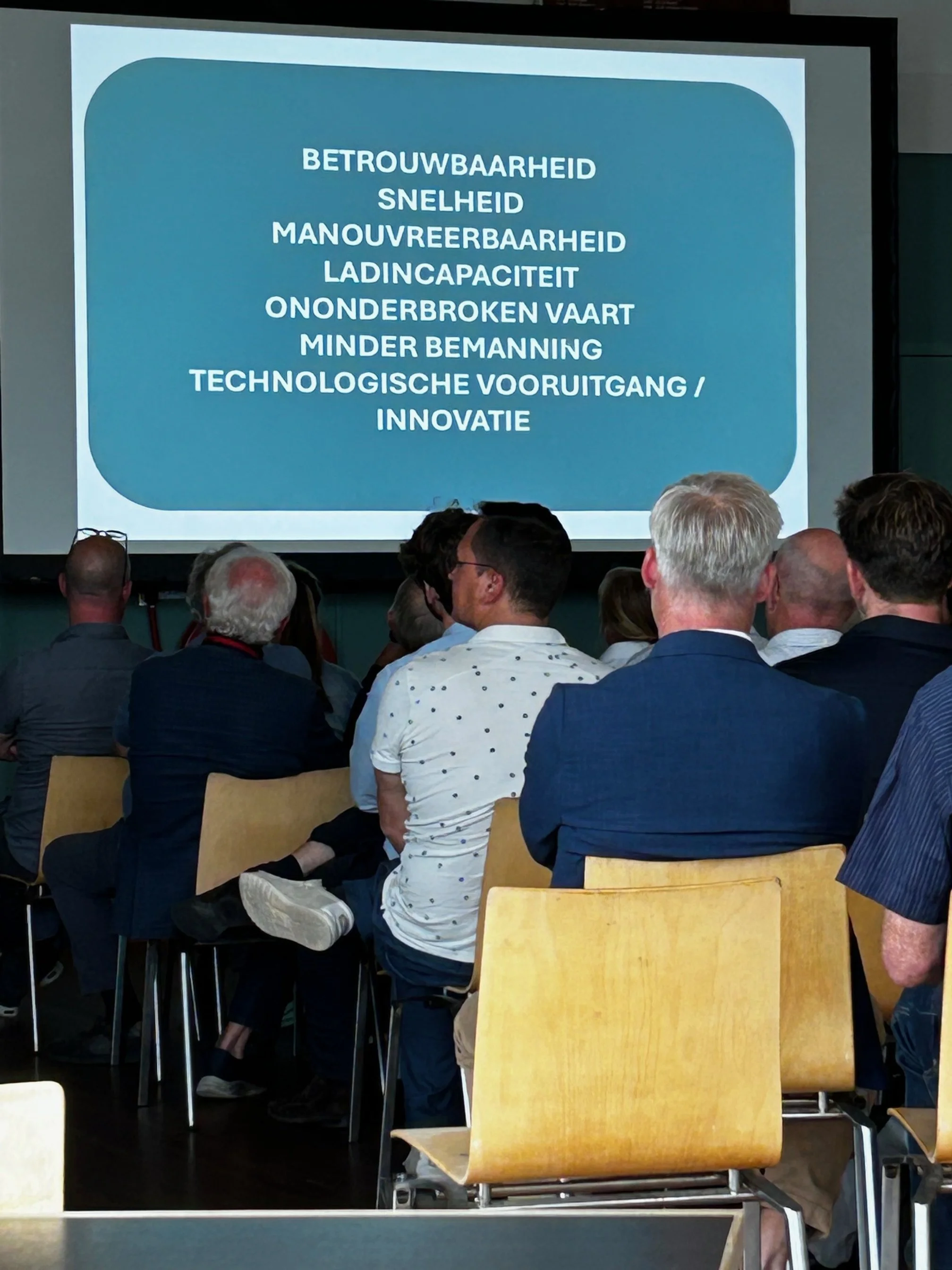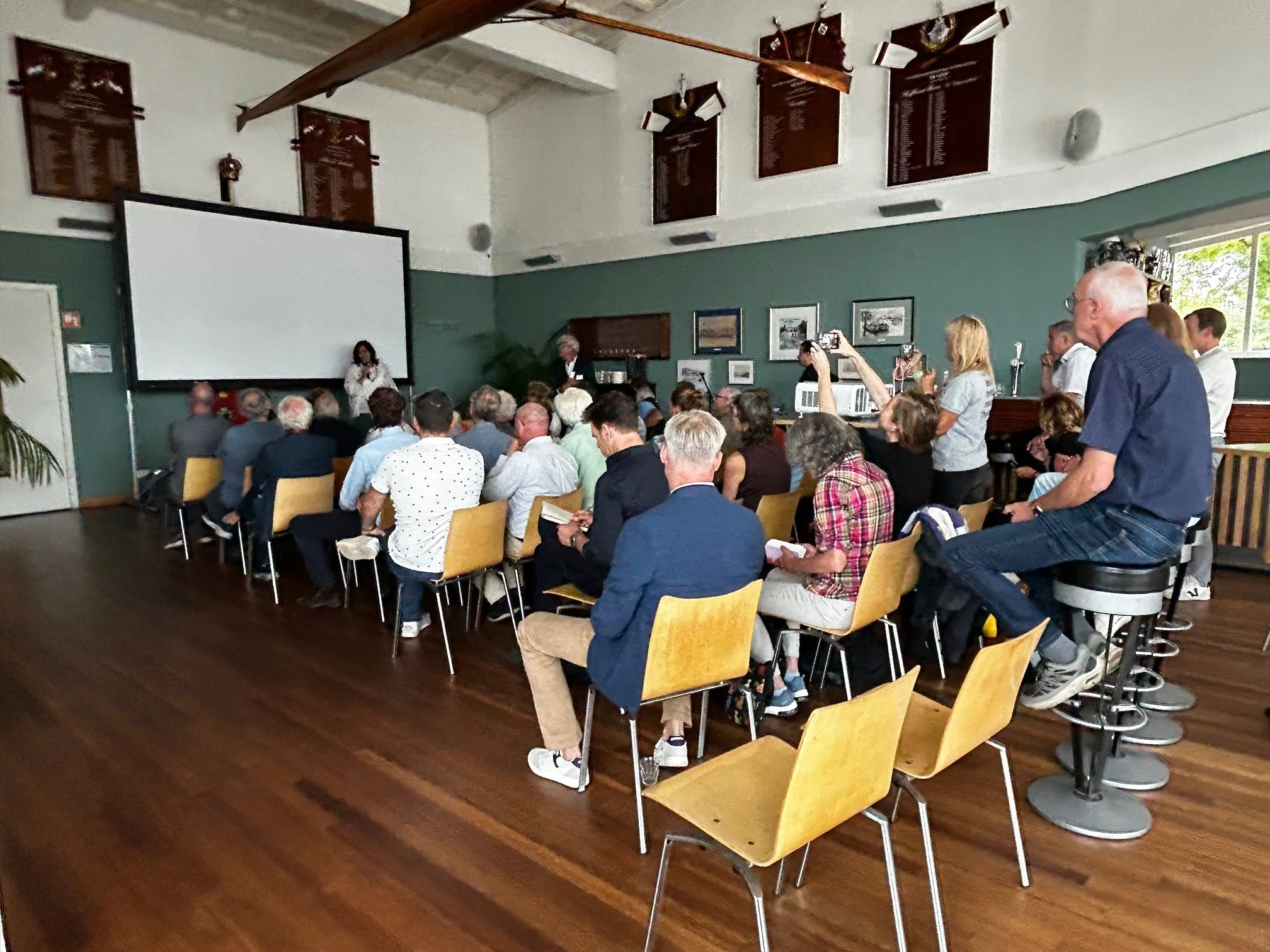
The W4C Seminar on Wind Assisted Ship Propulsion (WASP)
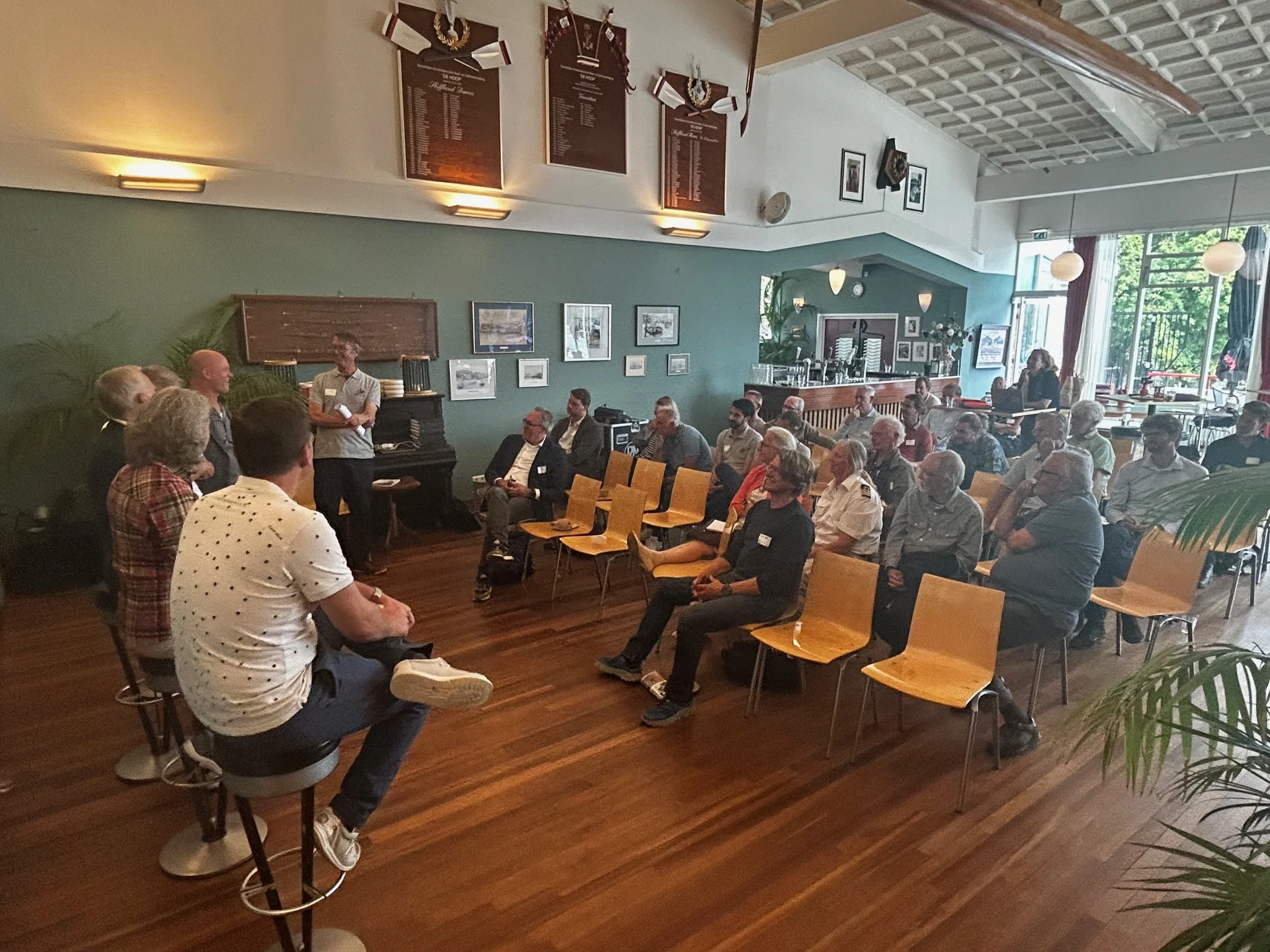
@Kon. Amsterdamsche Roei- en Zeilvereeniging “De Hoop”
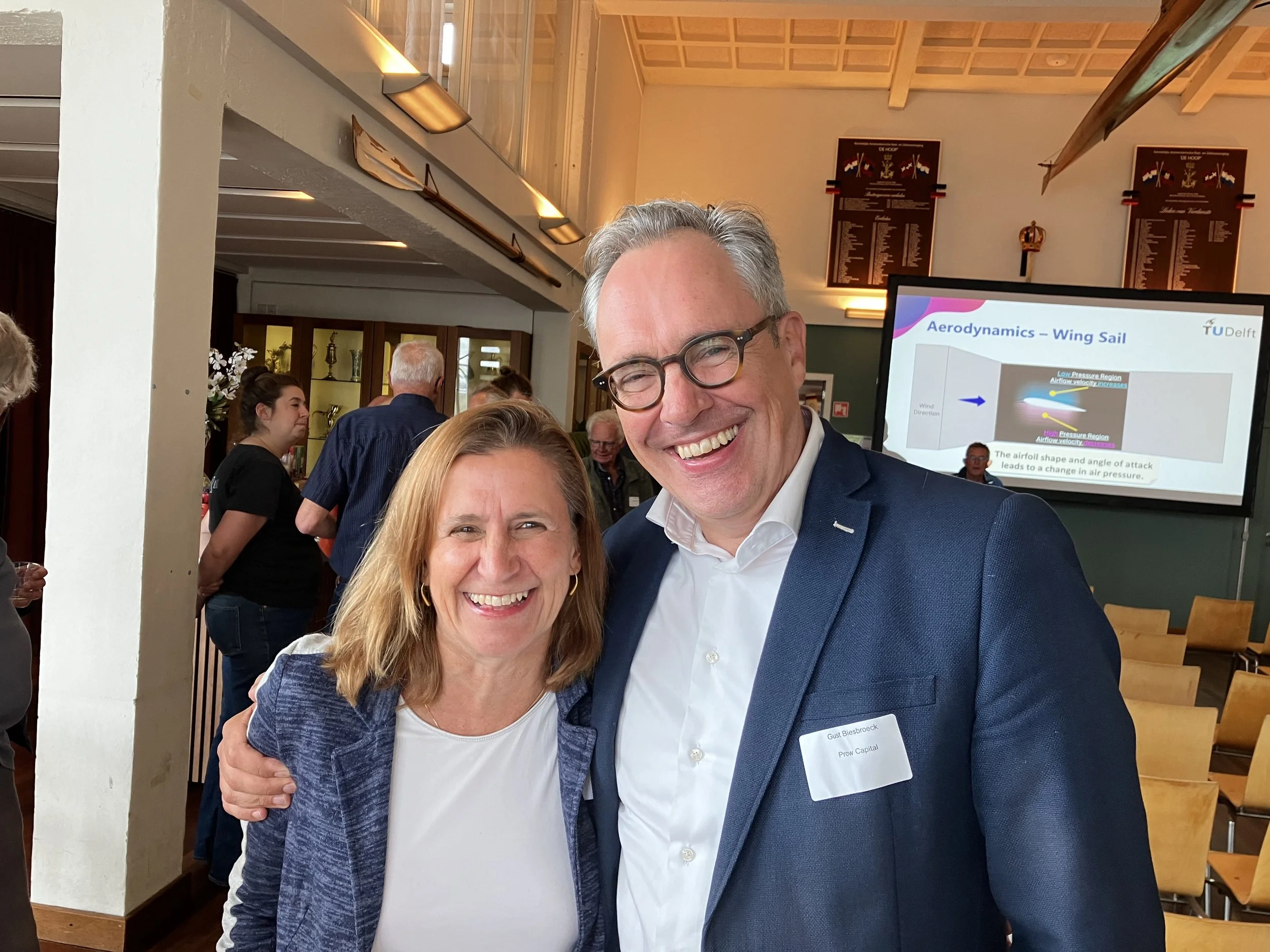
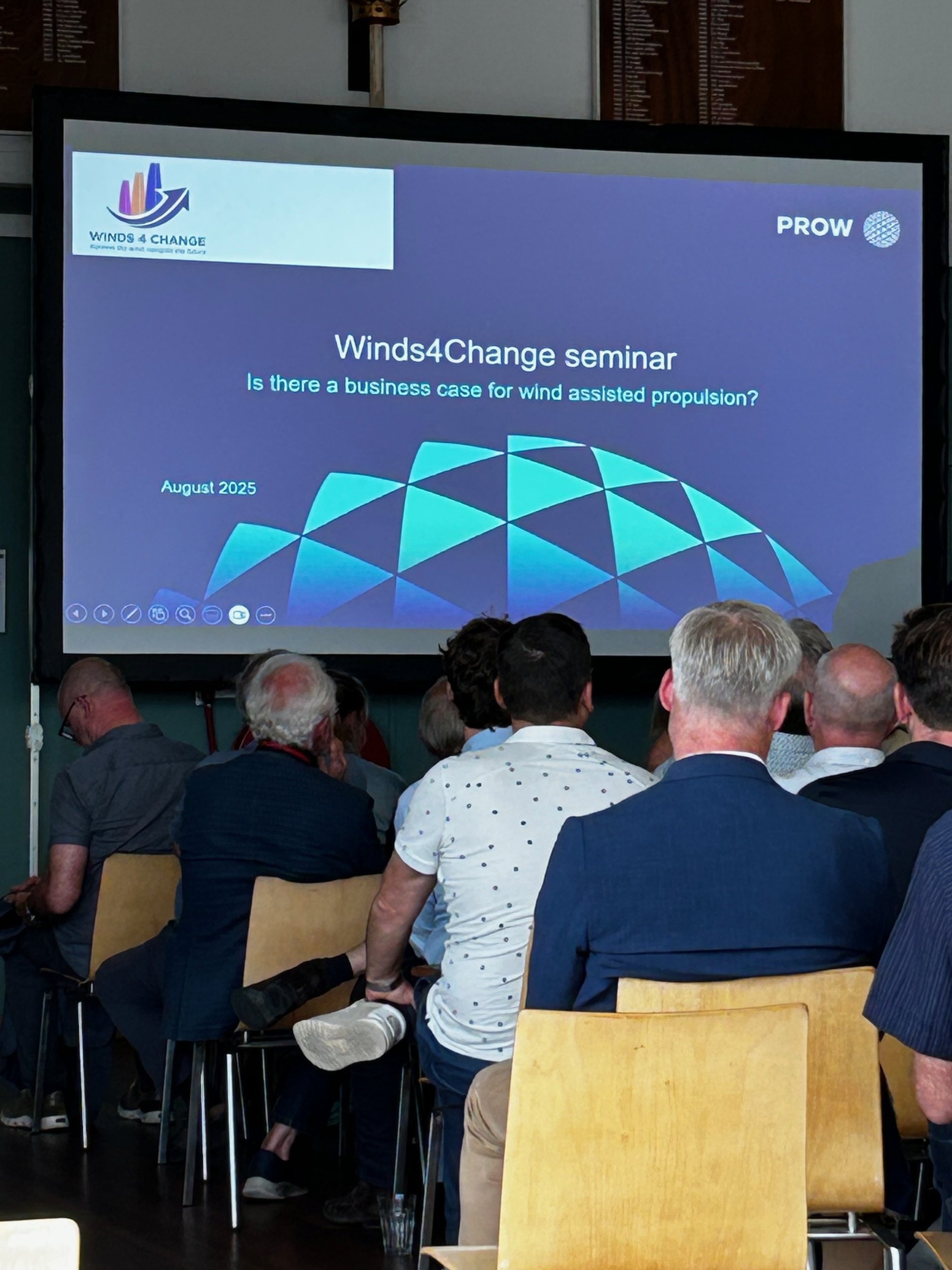
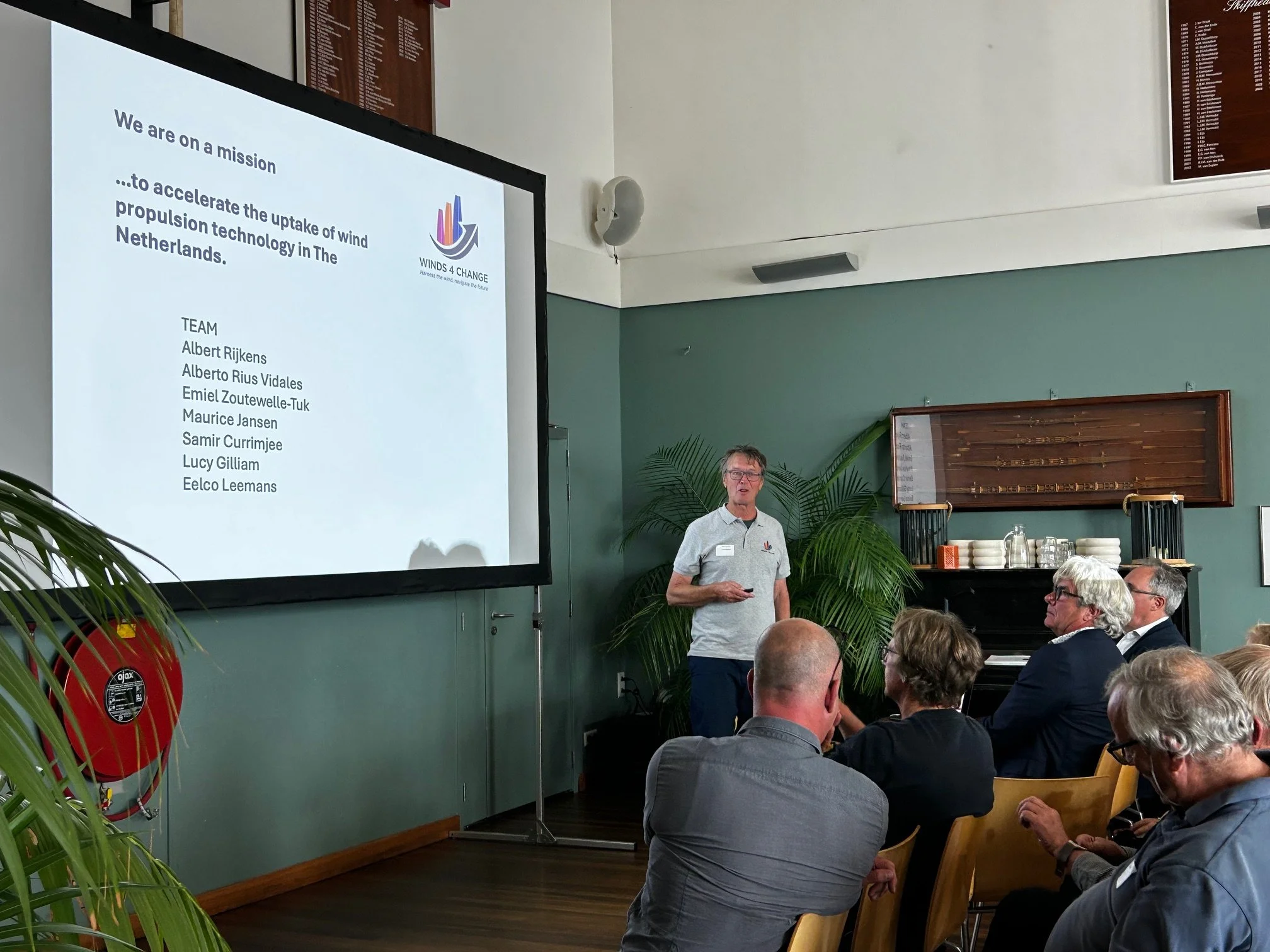
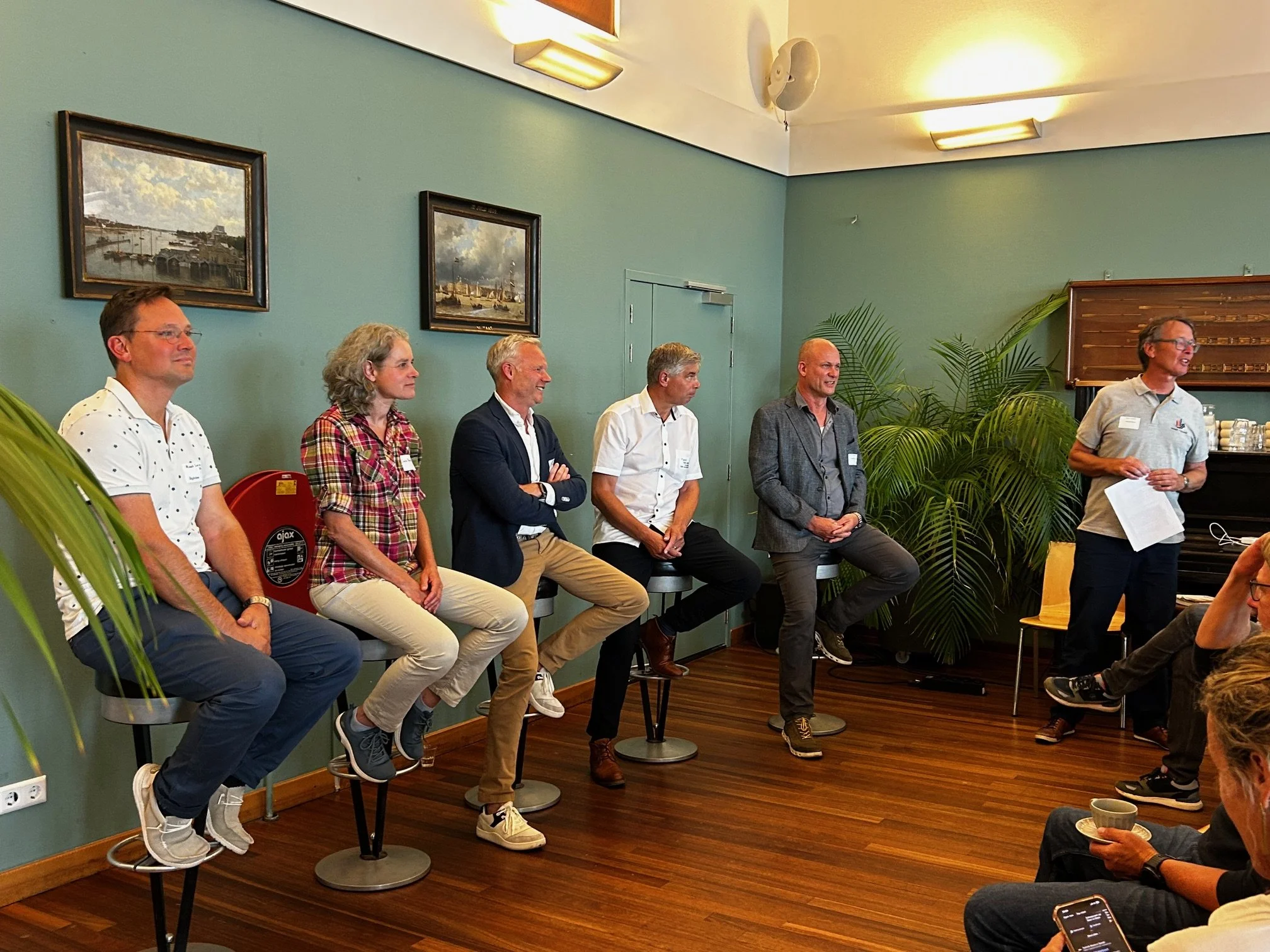
The W4C Seminar on Wind Assisted Ship Propulsion (WASP) held during Sail Amsterdam brought together innovators, financiers, and maritime professionals to explore one of the oldest — and most promising — sources of renewable energy: the wind. The event highlighted both the technological progress and the systemic challenges in making commercial shipping cleaner, cheaper, and future-proof.
From Sail to Steam — and Back Again
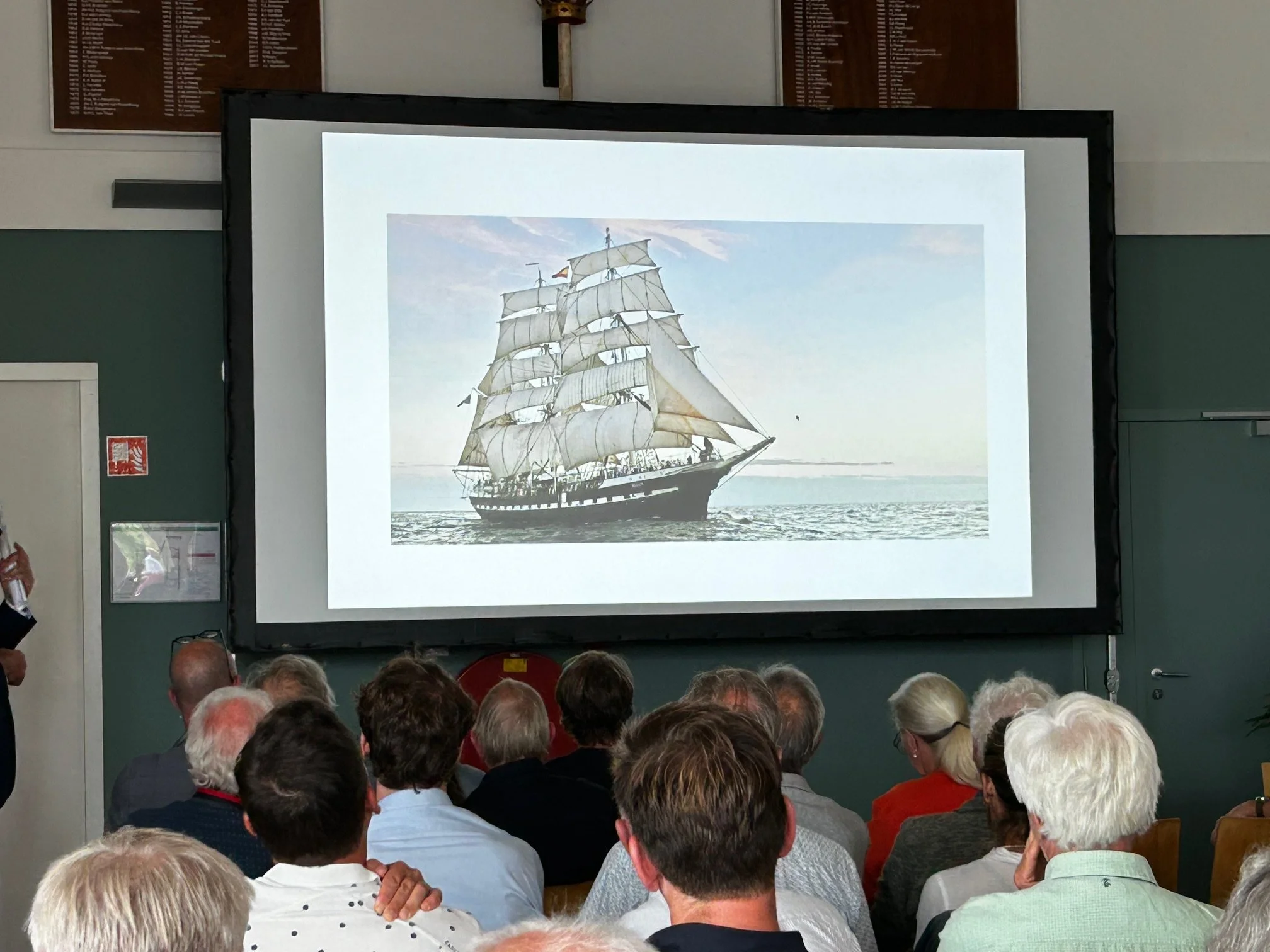
Speakers such as Ewald Vonk, Ger de Jager, and Gerard Dijkstra reminded participants that sailing has deep roots in Dutch maritime history. The Netherlands’ global trade empire was once powered entirely by wind, and today’s decarbonisation efforts echo that legacy. Projects like SAIL 2030 aim to rekindle the spirit of sailing with the motto: “Sail when you can.”
The Return of a Free Energy Source
Wind is an abundant, zero-cost energy source that shaped Dutch engineering for centuries — from windmills draining polders to ships crossing oceans. With modern innovations such as the Flettner rotor, which uses the Magnus effect to generate thrust, wind power is making a comeback. Unlike fossil fuels, wind offers endless supply without emissions or competition with other sectors.
Technology Taking Off
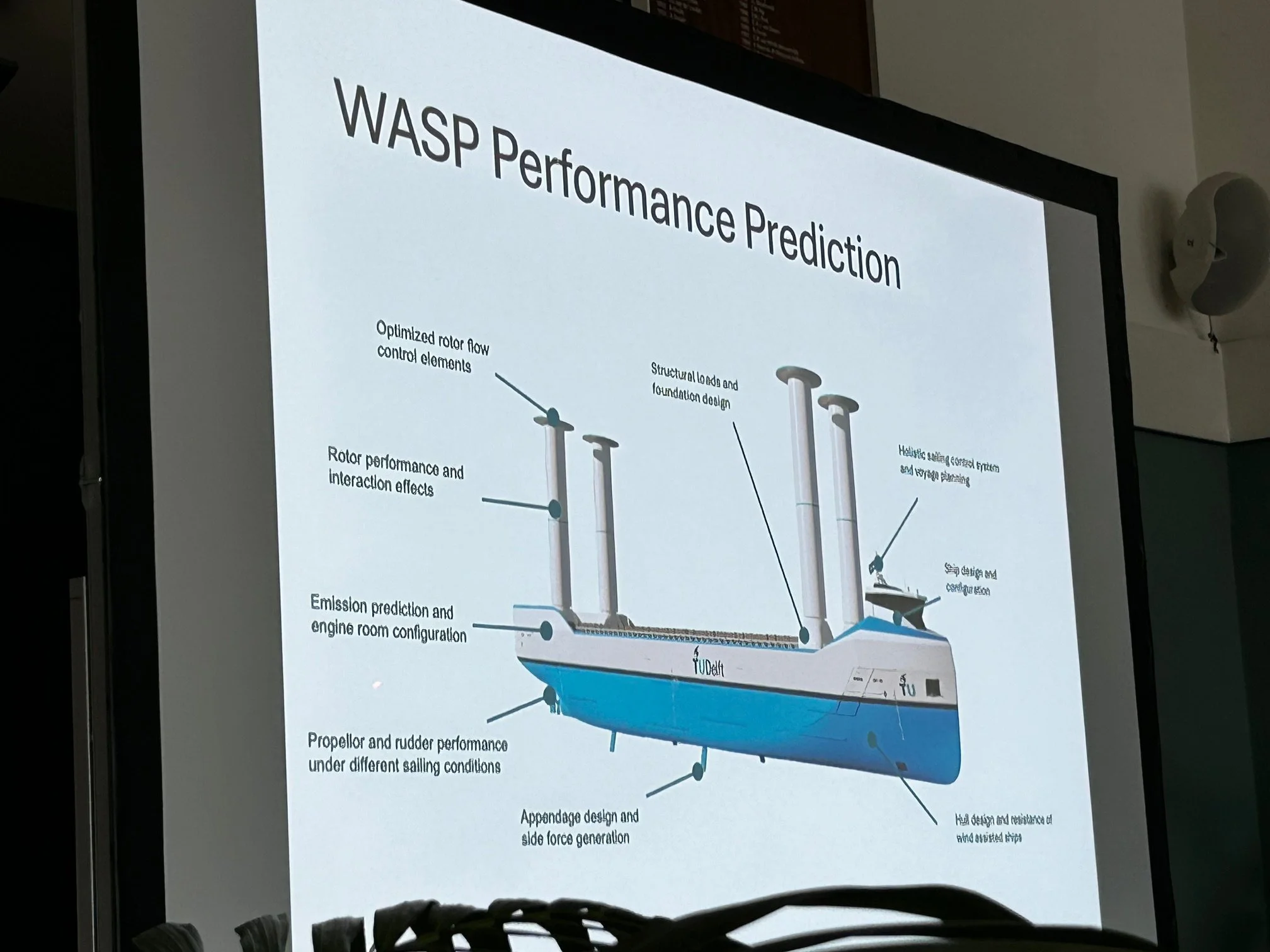
The WASP sector is expanding rapidly. Over 60 commercial vessels now operate with wind-assist systems, and the number of installations doubles each year. Reported fuel savings range between 5 and 20 percent, mostly through retrofitted technologies. New performance-prediction tools help shipowners model the real-world benefits of sails, rotors, and wings, marking a shift from experimentation to scalable optimisation.
Building the Business Case
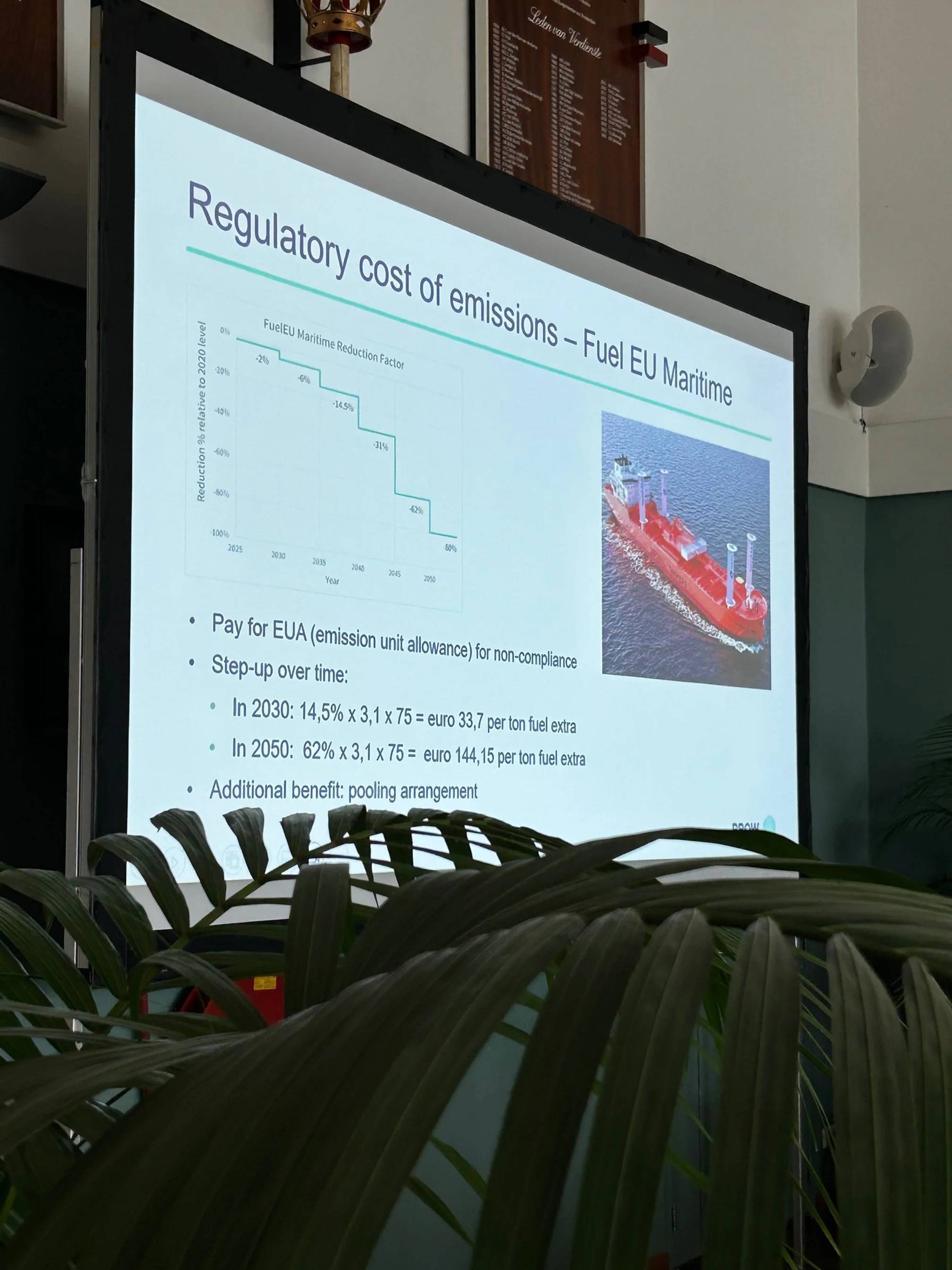
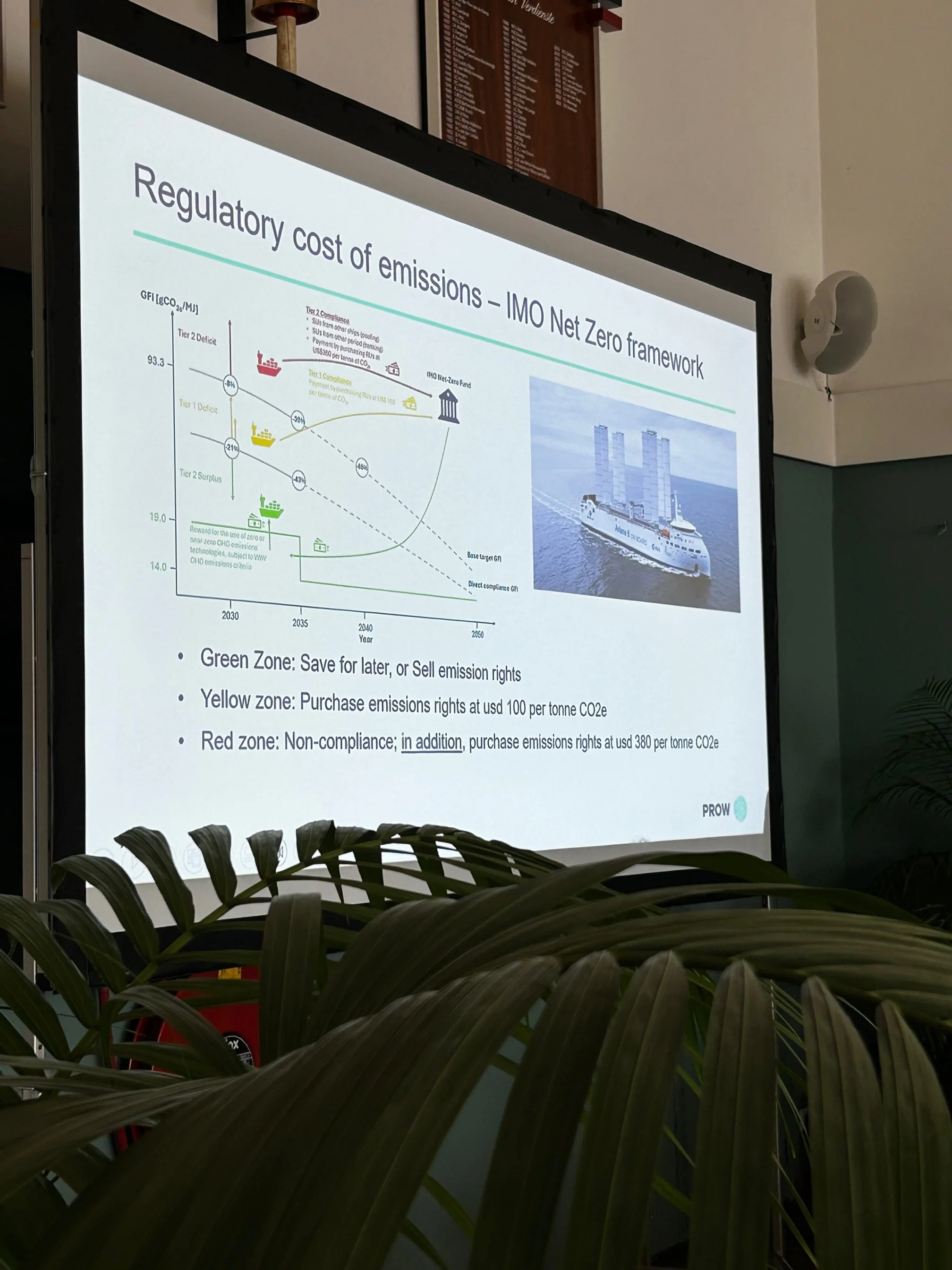
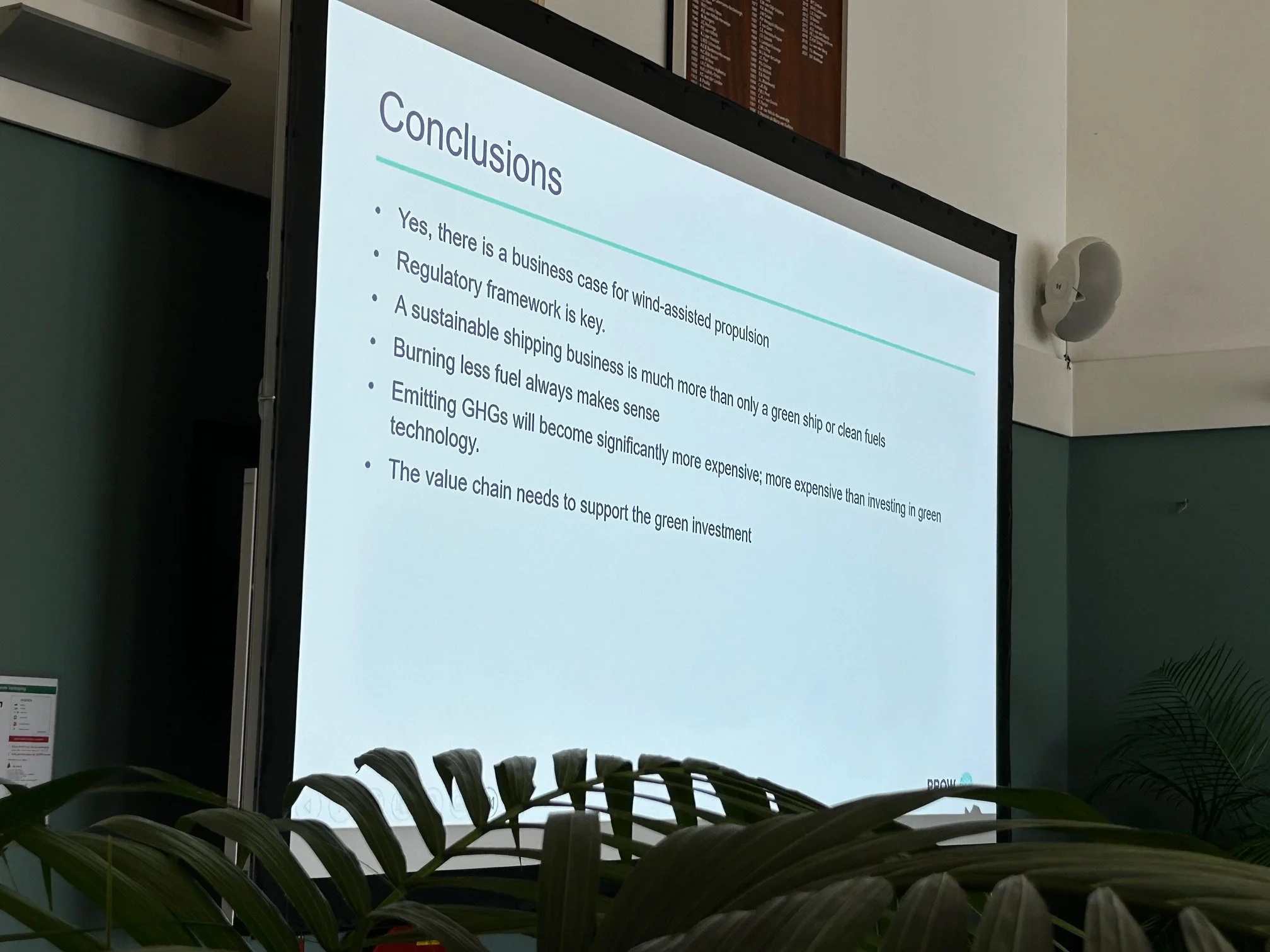
Wind propulsion offers compelling financial advantages. Reduced fuel consumption translates directly into cost savings, while upcoming European regulations such as FuelEU Maritime will impose heavy penalties on emissions. By 2030, fuel could cost €33.70 more per ton due to carbon pricing — rising to €144 by 2050. With one ton of fuel producing roughly 3.1 tons of CO₂, operators who invest early in wind systems can avoid rising compliance costs and improve their public image.
Financing the Transition
Sustainable shipping funds are gaining traction. The Green Shipping Fund, backed by Banco Santander, has raised €420 million to finance 37 green vessels. In Germany, the NAMKUE programme supports coastal-shipping efficiency, while the Dutch Maritime Masterplan focuses on hydrogen and methanol — though wind propulsion still awaits inclusion. This shows both the opportunity and the policy gap to be filled.
Contracts, Culture, and Collaboration
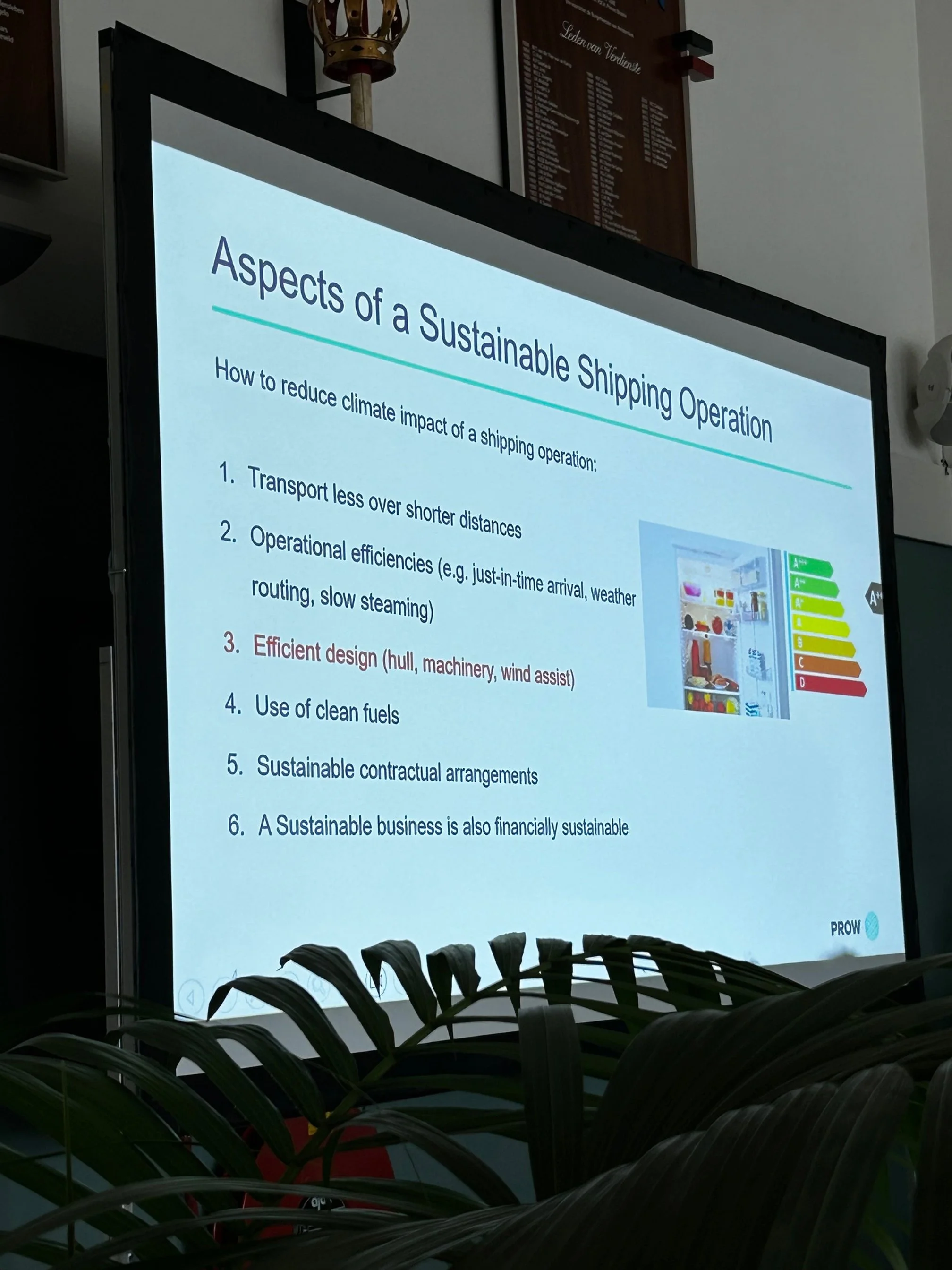
A key bottleneck lies not in technology but in outdated contracts that prioritise speed over sustainability. Modern agreements must reward efficiency, slow steaming, and just-in-time arrivals. Given shipping’s global nature and reliance on “bottom-of-the-barrel” fuels, international alignment is essential. Software, data quality, and transparent monitoring can accelerate this shift.
The Path Ahead
Strategic recommendations from the seminar were clear: transport less, sail smarter, and design ships for efficiency. Upcoming initiatives like SAIL 2030, the IMO’s autumn meeting, and collaborations between Europort and Damen Ship Repair signal a growing coalition for change. As multiple speakers stressed — wind propulsion is no longer a nostalgic idea but a vital component of maritime decarbonisation. The question is no longer if we harness the wind again, but how fast we can scale it.